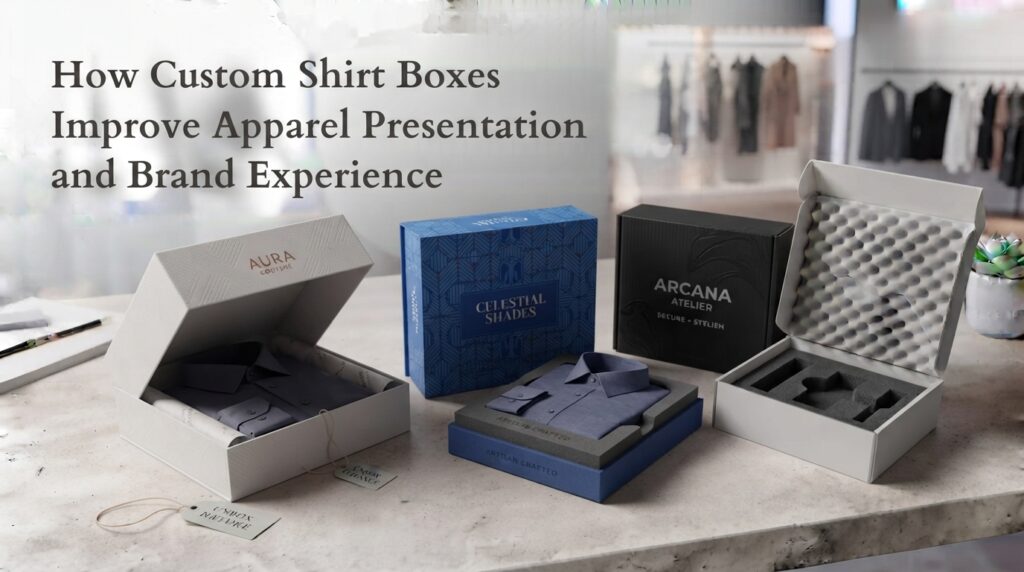
Packaging is an important part of how customers experience a clothing product. While the shirt itself is the main focus, the box surrounding it can influence presentation, protection, organization, and the overall impression of the brand.

For fashion labels, clothing retailers, boutiques, ecommerce stores, and apparel businesses, a well-planned shirt box can provide more than basic containment. It can become part of the brand’s visual identity and create a more consistent experience from the moment an order is received to the moment the customer opens the package.
A broader approach to custom packaging boxes can help businesses coordinate box dimensions, branding, materials, presentation, and other packaging elements around their products.
Why Shirt Packaging Matters
Customers often form an impression of a product before they actually use it. Packaging can influence that first interaction by making the product look organized, carefully presented, and consistent with the brand.
Custom shirt boxes can help businesses:
- Improve shirt presentation
- Protect garments during handling
- Strengthen brand recognition
- Create a consistent retail experience
- Support premium product positioning
- Organize products during fulfillment
- Enhance ecommerce unboxing
The goal is not simply to make the box attractive. It should also fit the garment and suit the way the product is sold and delivered.
Choosing the Right Shirt Box Dimensions
One of the first considerations when developing a shirt box is size.
Different shirts can have different folded dimensions depending on fabric thickness, construction, sizing, and folding method. A box designed for a lightweight dress shirt may have different requirements from one intended for a heavier overshirt or sweatshirt.
Businesses should consider:
- Folded shirt dimensions
- Garment thickness
- Number of garments
- Tissue paper
- Product cards
- Inserts
- Required internal clearance
- Shipping configuration
Measuring the actual folded garment is usually more useful than selecting a box based only on the shirt’s labeled size.
Creating a Strong Clothing Brand Identity
Packaging gives fashion brands another physical surface for their identity.
A shirt box can incorporate:
- Logo
- Brand name
- Brand colors
- Typography
- Patterns
- Taglines
- Website information
- Product messaging
- Seasonal artwork
The design should connect with the rest of the brand’s visual system.
If a fashion company uses minimalist typography across its website and labels, a simple box design may reinforce that identity. A streetwear brand may instead use bold graphics or a distinctive pattern.
The important thing is consistency.
Custom Shirt Boxes for Ecommerce
For ecommerce clothing businesses, packaging can be particularly important because customers do not see the product in a physical store before ordering.
The package therefore becomes part of the first physical interaction with the brand.
A typical presentation might include:
Shipping package → shirt box → tissue paper → folded shirt → brand card
The exact arrangement depends on the product and fulfillment process, but the basic principle remains the same: the packaging should make the product easy to receive, open, and understand.
Ecommerce brands can also use inserts for care information, thank-you messages, promotions, or other useful content.
Improving the Unboxing Experience
A shirt box can create a structured unboxing sequence.
Customers may notice the exterior branding, opening mechanism, interior artwork, tissue, garment arrangement, and accompanying materials in sequence.
This gives brands several opportunities to reinforce their identity.
For example, the outside of the box can carry a restrained logo, while the inside can include a short brand message or coordinated artwork.
However, an effective unboxing experience does not require excessive packaging. Each element should have a clear presentation, protection, or communication purpose.
Selecting an Appropriate Box Style
The best box structure depends on the shirt, sales channel, budget, storage requirements, and desired presentation.
Potential formats can include:
- Folding cartons
- Two-piece boxes
- Rigid setup boxes
- Mailer-style boxes
- Sleeve-and-tray formats
- Drawer-style boxes
A lightweight shirt sold primarily through ecommerce may have different packaging requirements from a luxury shirt presented in a boutique.
The box structure should therefore be selected according to the actual customer and distribution experience.
Printed Shirt Boxes and Brand Recognition
Printing can turn a basic shirt package into a recognizable brand asset.
Businesses can choose to emphasize:
- Logo placement
- Repeating patterns
- Brand colors
- Typography
- Product information
- Minimal graphics
- Promotional messaging
The design should remain readable and balanced.
A box with too many visual elements can become difficult to understand, while a carefully positioned logo may create a cleaner and more recognizable result.
Artwork should also be planned around the box dieline so important branding is positioned on the intended panels.
Premium Shirt Packaging
Clothing packaging can contribute to the perceived positioning of a fashion brand.
A premium appearance may be created through a combination of:
- Appropriate box proportions
- Consistent branding
- Quality printing
- Suitable materials
- Refined typography
- Interior presentation
- Carefully selected finishing
Luxury does not necessarily mean adding numerous decorative elements.
For some brands, a clean box with a well-positioned logo and carefully selected typography may communicate quality more effectively than an overly elaborate design.
Coordinating Shirt Boxes With Apparel Packaging
A shirt box works best when it fits into the company’s wider packaging system.
A fashion brand might use:
- Shirt boxes
- Apparel boxes
- Shopping bags
- Tissue paper
- Hang tags
- Garment labels
- Stickers
- Product cards
Using custom clothing boxes as part of a broader packaging strategy can help businesses maintain a recognizable presentation across multiple products.
The different components do not have to look identical. Instead, they can share important brand elements such as typography, colors, logo treatment, or patterns.
Shirt Boxes for Different Retail Applications
Custom shirt boxes can be used across several sales environments.
Boutique Retail
A physical clothing store can use boxes to create a more organized and polished presentation for selected shirts or premium collections.
Ecommerce Fulfillment
Online clothing businesses can use boxes to present garments during delivery and create a more structured unboxing experience.
Corporate Apparel
Businesses supplying branded shirts or uniforms may use packaging to make bulk or individual garment distribution more organized.
Gift Purchases
Shirts purchased as gifts can benefit from a presentation-focused package that makes wrapping and presentation easier.
Limited Collections
Special editions and seasonal releases can use packaging as another way to distinguish the collection.
Using Inserts in Shirt Boxes
Inserts can add functionality or information when there is a genuine need for them.
Possible inserts include:
- Care instructions
- Thank-you cards
- Brand stories
- Promotional cards
- Product information
- Loyalty messages
- Accessory compartments
For a shirt package, an insert can also help create a more organized presentation.
However, the insert should be designed around the available interior space so it does not interfere with the garment.
Considering Shirt Box Materials
Material selection can influence appearance, durability, weight, and overall packaging cost.
Businesses may evaluate different packaging directions depending on the product and sales channel.
Important considerations include:
- Product weight
- Desired rigidity
- Shipping conditions
- Storage
- Presentation goals
- Production quantity
- Budget
A premium retail shirt may benefit from a more substantial presentation box, while a high-volume ecommerce business may prioritize efficient packaging and shipping.
There is no single material solution that works equally well for every apparel brand.
Shipping Considerations
A shirt box intended for ecommerce should be considered alongside the shipping environment.
During transportation, packages may experience:
- Handling
- Stacking
- Compression
- Movement
- Storage
- Delivery conditions
If the shirt box is primarily designed for presentation, an additional outer shipping package may be appropriate to provide protection during transit.
Separating presentation packaging from shipping protection can give businesses greater flexibility when designing the customer-facing box.
Common Shirt Packaging Mistakes
Selecting the Box Without Measuring the Folded Shirt
The final folded dimensions should guide the box size.
Using Excessive Internal Space
Too much empty space can allow the garment to move unnecessarily and may create an inefficient presentation.
Ignoring the Interior
The inside of the box is part of the customer’s unboxing experience.
Overloading the Artwork
Too many colors, messages, and graphics can make the design look crowded.
Forgetting the Shipping Process
A presentation box should be evaluated in the context of how the completed package will reach the customer.
Failing to Coordinate Packaging
Boxes, bags, labels, and tissue paper should ideally support the same overall brand identity.
How to Plan Custom Shirt Boxes
A practical planning process can help businesses develop a better packaging solution.
1. Identify the shirt styles.
Determine which garments will use the packaging.
2. Measure the folded garments.
Record the actual width, length, and thickness.
3. Determine the typical order quantity.
Consider whether one or several shirts will be packaged together.
4. Define the presentation goal.
Decide whether the package should be minimalist, premium, modern, traditional, or functional.
5. Choose the box structure.
Select a format appropriate for the product and sales channel.
6. Plan the artwork.
Position the logo, typography, colors, and graphics according to the box structure.
7. Consider internal components.
Decide whether tissue paper, cards, dividers, or inserts are needed.
8. Review shipping requirements.
Determine how the completed package will be transported.
9. Consider storage.
Plan how empty packaging will be stored before fulfillment.
10. Review the complete specification.
Check dimensions, construction, artwork, materials, and finishing before production.
Why Customization Can Benefit Clothing Brands
Generic packaging can serve a basic function, but customized packaging gives businesses more control over how their products are presented.
A custom shirt box can be developed around the brand’s:
- Product dimensions
- Visual identity
- Customer experience
- Sales channel
- Budget
- Order volume
- Presentation goals
This flexibility can be particularly useful for fashion brands with specific packaging requirements.
Instead of forcing the garment into a generic format, businesses can plan packaging around the product and the experience they want to create.
Frequently Asked Questions
1. What are custom shirt boxes?
Custom shirt boxes are packaging boxes designed specifically for presenting and packaging shirts, with dimensions, artwork, materials, and construction selected according to the brand’s requirements.
2. Can custom shirt boxes include a logo?
Yes. Businesses can incorporate logos, brand colors, typography, patterns, and other artwork into the exterior or interior of the box.
3. How do I choose the right shirt box size?
Measure the shirt after it has been folded in the intended retail configuration. Consider its length, width, thickness, tissue paper, inserts, and any other components that will be placed inside.
4. Are shirt boxes suitable for ecommerce?
Yes. They can be used as customer-facing packaging for online clothing orders. Depending on the shipping conditions, an additional protective outer package may also be used.
5. Can shirt boxes be used for premium clothing?
Yes. A carefully planned structure, suitable material, refined artwork, and appropriate finishing can help create a premium presentation for shirts and other apparel products.
Conclusion
Custom shirt boxes can turn clothing packaging into a meaningful part of the customer experience.
The best results come from starting with the garment itself and then considering dimensions, box structure, materials, artwork, inserts, shipping, and storage.
For fashion brands, boutiques, retailers, and ecommerce businesses, customized packaging can also create consistency across boxes, bags, labels, and other apparel materials.
When every element supports the same visual identity and practical requirements, the packaging becomes more than a container. It becomes another touchpoint through which customers experience the brand.